
"Central American coffee"
6000 article(s) found

Central American coffee beans | Akanango, Guatemala | Santa Fenisa Manor | Geisha Coffee
Professional coffee knowledge exchange more coffee bean information please follow Coffee Workshop (Wechat official account cafe_style) Santa Felisa Special Lot Central American Coffee producing area Guatemala Arcannan Santa Fenisa Manor Rose Summer Variety Orange Honey treatment Guatemala AcatenangoSanta FelisaGeisha Orange Honey region San Antonio, A

Honduras-#8231; Central and South American Agriculture and Animal Husbandry-Marcala Coffee Fair Trade
Professional coffee knowledge exchange more coffee bean information please follow the coffee workshop (Wechat official account cafe_style) Honduras Central and South America Agriculture and Animal Husbandry-Markara (Marcala) Coffee Fair Trade Association (F.T) the flavor of washed beans? Coffee produced in Honduras is rarely found in Taiwan's coffee market, but in terms of altitude and temperature changes and soil fertility.
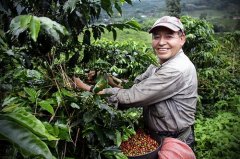
The taste is fragrant with less acidity, reminiscent of the South African flavor of Central American coffee beans.
It is fragrant with less acidity, reminiscent of coffee beans from Central America. Coffee production in South Africa (SouthAfrica) is mainly in the northeast of the country, from Natal between Transvaal and Mozambique, extending northward to Transvaal, with a southernmost limit of latitude 30 south. Further south, coffee cannot be grown due to the harm of early frost.

Central American coffee brand Costa Rica Tarazu flavor rich chocolate nut pleasant aroma
Professional coffee knowledge exchange more coffee bean information please follow the coffee workshop (Wechat official account cafe_style) front street-Costa Rica Tarazu introduction is located in the Central American isthmus, latitude 10 north, longitude 84 west. It faces the Caribbean Sea to the east and the North Pacific Ocean to the west. Costa Rica is located in the volcanic belt of the low latitudes of Central America, with the central plateau and mountains about 800 to 2000 meters above sea level.

Central American coffee producing country Costa Rica Central Valley Fire Phoenix Manor Red honey processing SHB grade coffee
Located in the fertile hills of the Poas Volcanic Valley in Central Costa Rica, the Phoenix Estate is the first producer of honey-treated and sun-cured coffee in Central and South America. It is a 100% organic coffee estate. The owner believes that organic farming is the better choice for environmental protection and family health, even if it faces many technical and organizational challenges.

The coffee growing area of Mexico is close to Guatemala, and the production classification belongs to the Central American type.
Mexican coffee due to geographical and climatic reasons, the Mexican coffee growing area is close to Guatemala, and the production classification belongs to the Central American type. The main producing areas are: Kolabegu, Australia Aluca states, the products are mostly washed beans produced in the highlands, with good aroma and sour taste, the grade is divided into three categories according to altitude: Aldura (219m-1280 m), Prima. Pull

Introduction to Central American boutique coffee what is the flavor of coffee in the Caribbean?
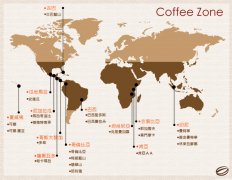
Have you ever heard of a coffee belt? The so-called coffee belt refers to the area near the equator between the Tropic of Cancer and the Tropic of Cancer. This region is close to the equator and the innate climatic conditions are ideal, so most of the coffee producing areas in the world are in the "coffee belt". According to the world map, seven countries in Central America are in the coffee belt, including Belize, Guatemala, Honduras and Thrall.

Description of Latin American coffee flavor, introduction of Latin American coffee
The characteristics of the flavor of Central and South America: balanced, moderately sour and mellow Central and South America is the world's largest coffee producing area, where there are numerous boutique coffees. Take Colombia, Guatemala or Brazil as an example, good coffee is enough to make people dazzling. What is the resource advantage that makes Central and South America so good? French naval officer Gabriel Ma in 1721
The flavor of El Salvador boutique coffee beans Central and South American coffee beans
Coffee in El Salvador is grown mostly by small farmers, who grow it in the traditional way: almost 100% shade. The coffee harvest lasts from November to March. The fresh fruit of coffee is picked by hand. On the whole, Salvadoran coffee inherits the mild quality of Sino-American coffee, which is soft, slightly sour and beautiful.

Nicaraguan Coffee producing area introduction Central American Nicaraguan Coffee Manor Flavor
Nicaragua is now one of the poorest countries in Central America. Due to its poor economic foundation, the coffee industry is still relatively backward, while coffee farmers are in extreme poverty. Fortunately, Nicaraguan coffee has received some foreign aid funds to improve the quality of its coffee. Coffee from Madagelba, Sinodega and Segovia in Nicaragua

Boutique single coffee beans Central American Nicaraguan coffee beans
Nicaragua is located in central Central America, bordered by the Pacific Ocean to the west and the Caribbean Sea to the east. The highlands in the north and the coastal plains in the east are part of the Central American volcanic belt. The eastern plain is high-temperature and rainy, with a tropical maritime climate. The suitable climate provides an excellent growth environment for the cultivation of coffee. (Pakamara, Nicaragua on the left, Guatemala on the right) High-quality Niagara

What are the characteristics of Central American coffee beans_Changes and competition for the most intense coffee production continent
Professional coffee knowledge exchange More coffee bean information Please pay attention to coffee workshop (Weixin Official Accounts cafe_style) Early, Costa Rica and Guatemala, is the representative of Central American coffee beans, that sweet, lubricating acid, straight through taste buds, gentle, lingering flavor, aroma, unforgettable! With the Geisha of Emerald Manor in Panama, the Salvadoran hybrid succeeded

Coffee exports from Honduras fell 18 per cent in January 2021 Central American coffee exports are forecast to fall by 10.7 per cent
Professional coffee knowledge exchange more coffee bean information please pay attention to the coffee workshop (Wechat official account cafe_style) the Honduran National Institute (IHCAFE) last year originally expected Honduran coffee export volume of 6.3 million bags (60 kg / bag) in 2020 Universe 21. But in November 2020, Hurricanes ETA and LOTA both hit, causing damage to coffee trees in Honduras, while also

Fragrant and delicious Nicaraguan Coffee Manor Flavor and Taste planting Environment introduction to Tianyi Manor
Nicaragua has always attached importance to friendly and cooperative relations with its neighbors, maintained the exchange of high-level visits, held regular summits, exchanged views and maintained concerted action on regional and international affairs. Nepal advocates the political and economic integration of the Central American region, establishes the Central American Union to fight poverty together, and joins the North American Free Trade Agreement. Nepal and Honduras exist in the Gulf of Fonseca and the Caribbean

History and Flavor Characteristics of Central American and Ethiopian Summer Coffee Beans
Rose summer is a variety familiar to many coffee lovers. Both Central America and Ethiopia are planted, but do you know the difference between the summer flowers in these two regions? As a type of Arabica coffee bean, unlike the widely cultivated coffee varieties such as iron pickup and bourbon, Rosa is a native variety, that is, a descendant of wild coffee. Sometimes it is written gesha, because

Is the harvest time of Central American and Indonesian coffee beans the same as Colombian coffee in South America?
Generally speaking, the Central American producing region of the Northern Hemisphere or Aceh in Indonesia is the busiest harvest and post-production period in February and March every year, so the beans can be shipped to the consuming countries in May-October every year; Brazil in the southern hemisphere is the busiest harvest and post-harvest period every year from June to July, and the beans can arrive from September to April of the following year. Because of

Central American coffee Costa Rica coffee Costa Rica Coffees Guatemala coffee ink
Boutique coffee is fresh coffee. Whether it's food or drink, of course, the fresh the better, and so is boutique coffee. High-quality coffee should keep the coffee beans fresh before making, including the preservation of baked beans, and grind the coffee beans into powder before making, which is also to retain its original and best flavor. And the way of making hand-made coffee is such a way to make high-quality coffee.

Central American Coffee beans | Guatemala San Felicia | double fermentation of Rosa Coffee | single Coffee
Professional coffee knowledge exchange more coffee bean information please follow the coffee workshop (Wechat official account cafe_style) Central American coffee beans Guatemala San Frisha Manor Rose Summer double fermentation bid lot # 4 Guatemala Finca Santa Felisa Mist Mountain Geisha double soak auction lot#4 producer: Guatemala Guate

Introduction to the characteristics of Central American Coffee Bean Nicaraguan boutique Coffee Bean Flavor Manor
The suitable climate provides an excellent growth environment for the cultivation of coffee. The mineral-rich pozzolanic soil provides abundant nutrients for the cultivation of coffee trees. High-quality Nicaraguan coffee is also grown in the northern and central highlands of the country. The best coffee is produced in Matagalpa (Matagalpa), which is highly respected by coffee lovers all over the world.

Indonesian coffee Asian coffee has a higher body than Central and South American and African beans
Asian coffee is more full-bodied than Central and South American and African beans, but less sour, with a hint of heavy wood, herbs, spices and earth, and a deep, smoky aroma over an elevated acid aroma. At the end of the seventeenth century, the Dutch East India Company transplanted the Arabica tree (tibica) from India to Jakarta, Java. Due to the favorable climate and soil conditions, Arabica soon spread to Sumatra on Java Island.